She Brings Me Water
An aeclectic look at the nearby worldEmerald, Diamonds and Gold…Oh My!
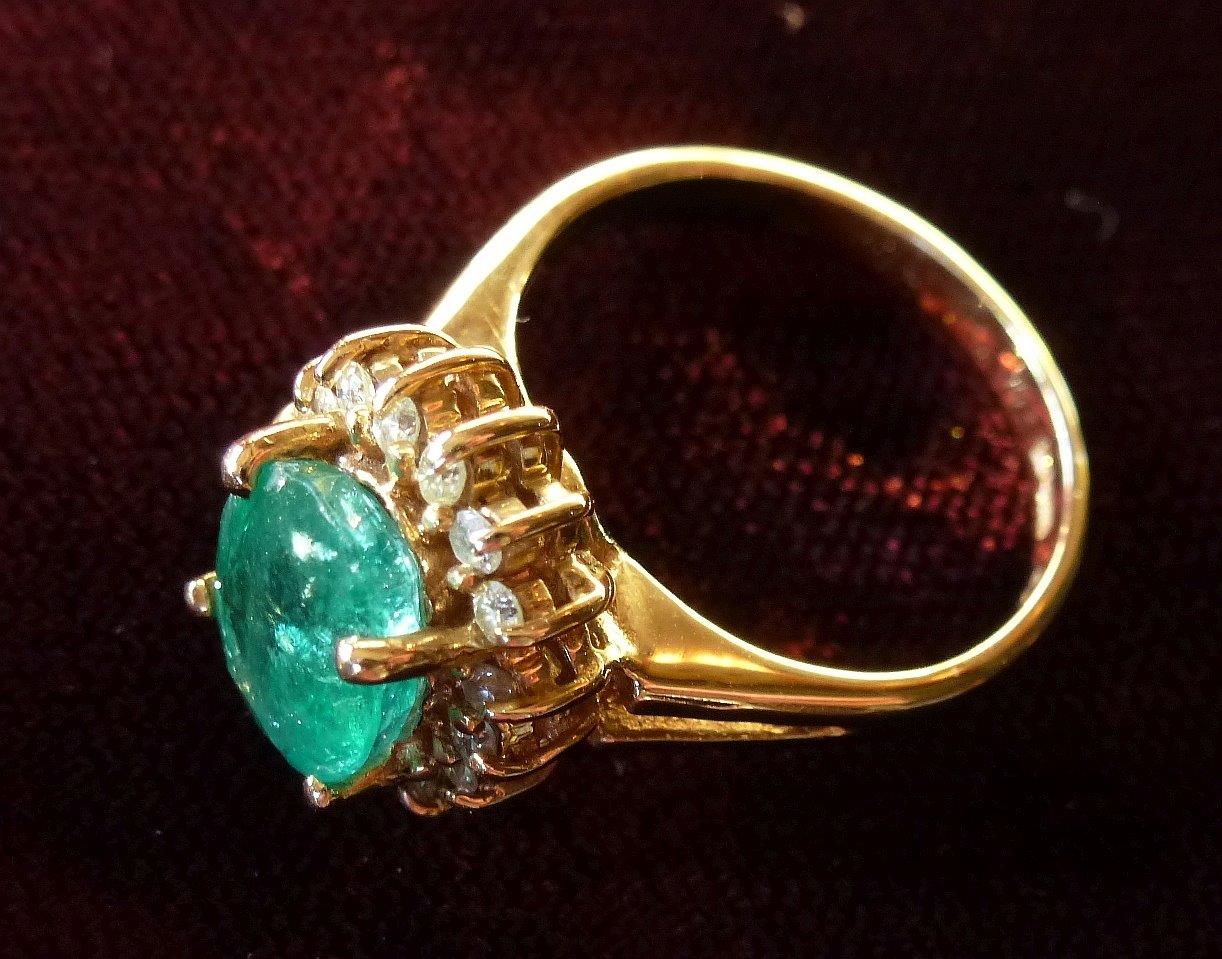
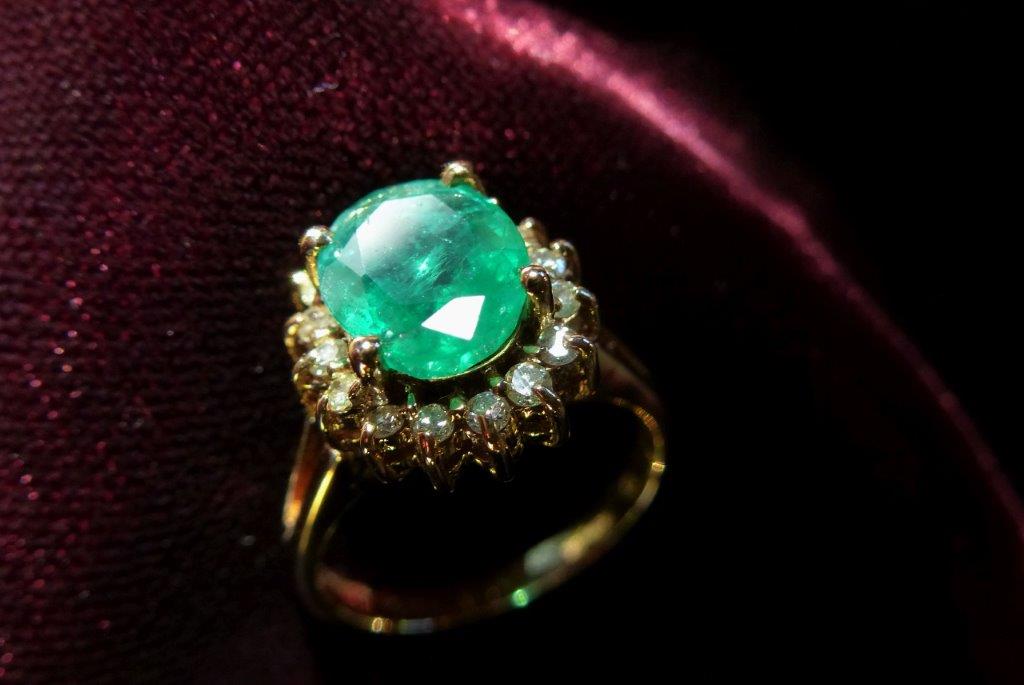
Here is the story that was inspired by this family emerald ring. We hope you enjoy it:
1692, the time of the Salem witch trials, an ancestor called “Granny Mann” by the townspeople of Salem Town was known as a midwife and “wise-woman”. It was noticed on her visits to birthing mothers and sick people that she wore a large emerald ring surrounded by diamonds, the kind of ring that would be worn by royalty or women of noble lineage, not a simple peasant woman. When questioned as to where she had acquired this ring, her answers were vague and varying. Sometimes she spoke of receiving it as a token of gratitude from a “noble lady”; other times she told of a past love affair with a “man of high birth.” However she got it. when the hysteria and accusations grew in the Massachusetts Bay Colony, they came to include Granny Mann and her emerald ring. Soon after she was arrested and tried for witchcraft. The witnesses against her said that she had made a bargain with the devil and in exchange for her soul, he had given her a beautiful emerald ring that gave her the power to heal. She was found guilty of witchcraft and sentenced to burn at the stake. The night before she was to burn, the judge, who was also the town’s richest man came to her and told her that if she would give him the ring, he would see to it that she escaped in his own carriage and that he would provide her with enough money to last her lifetime. She accepted, handed him the ring, whereupon he turned and walked from the room. The next morning Granny Mann was led out to the square. As she was led to the post In the middle of a large pile of wood, she began screaming that she had traded her ring for her freedom. No one believed her, and so then she began to scream curses at the townspeople and at the judge in particular, “As the flames consume my body”, screamed Granny Mann, “so the ring shall consume all who dare to posses it!” Some of the townspeople later claimed that, when Granny Mann’s body was completely engulfed in the flames, a brilliant flash of green light blinded them for a moment, and when they could see again, she was gone.

The town’s demise is recorded in the Massachusetts’s Bay Colony records. Shortly after Granny Mann’s death, Salem Town began experiencing a large number of unexplained deaths and disappearances. There were murders, an outbreak of smallpox, and several cases of insanity. Finally, in 1697 the entire town burned to the ground. There were very few survivors but it was recorded that those who did survive all reported that the flames, instead of being orange and red, were shades of emerald green. And what became of the ring? The story goes that in an effort to try and stop what was happening in Salem Town, the judge’s wife gave the ring to Granny Mann’s grandson. This was my great-great-great-grandfather. In 1903, Johan Mann, a Communist sympathizer, gave the ring to the Tsarina Alexandra while she was pregnant with Alexei. He was born with hemophilia and not expected to live. By 1918, the Tsar’s whole family was dead and their dynasty ended. Rasputin, apparently aware of the power of this ring, tricked Johan’s Mann’s son into taking back the ring and it wasn’t too long after that this son committed suicide. Since then, this family has had more than its share of deaths, murders and insanity. The latest has been my father’s second wife, who after wearing the ring for many years, recently was diagnosed with multiple personality disorder. Her “other selves” include Anastasia Romanov and The Wicked Witch from the Wizard of Oz.
This story is fiction, but here is what is true about the ring – In 1999 the ring was appraised by Ali Baba Inc. in Norfolk, VA for $5100. They said it was a natural emerald of deep green color with “jardin” mostly toward edges of stone which is 7mmx9mm and 1.5 carat. Grade AA. There are 16 round .O2 ct. diamonds set around the emerald all laid in 14K Gold.
This ring is up for auction here.
Hollywood, Here We Come!
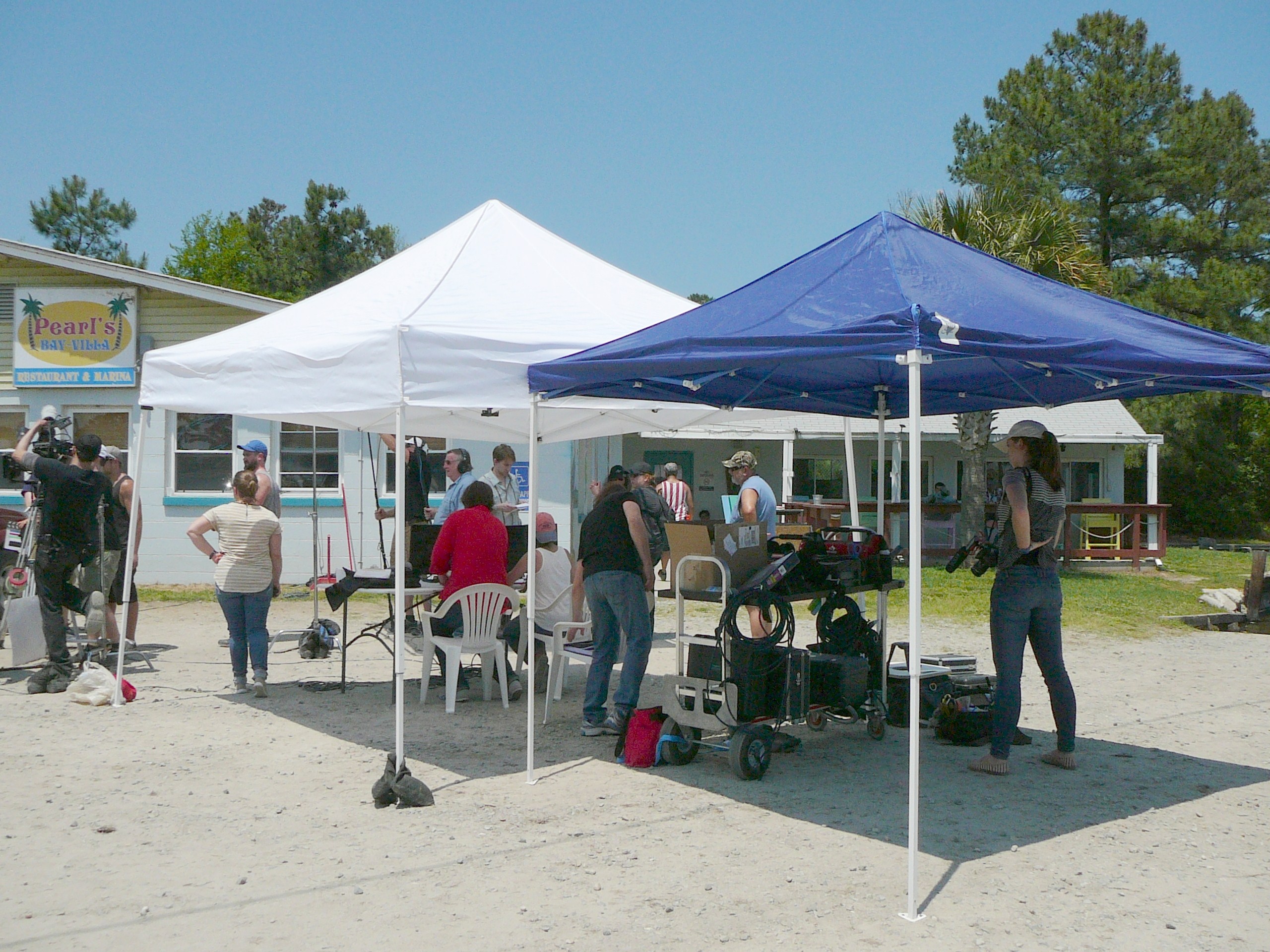
On May 20th, 2015 (my birthday!), principal filming began on the Little Indie Film That Could, Eyes of the Roshi. Starring Eric Roberts, Grandmaster Adam Nguyen and Ethan Marten (also the film’s producer and President/CEO of Light Age Films), we began filming in Virginia Beach, VA and Knotts Island, NC, (the photo above was taken at Pearl’s Bay Villa on Knotts Island) with a mah-velous cast and a faab-ulous crew. There were many long days (and nights!) of filming, but as the film’s associate producer, I was witness to many moments of pure magic- acting performances that caused us all to stand in jaw-dropped wonder, technical ability that produced scenes of beauty and destruction, and an amazing level of dedication from those involved in the production.
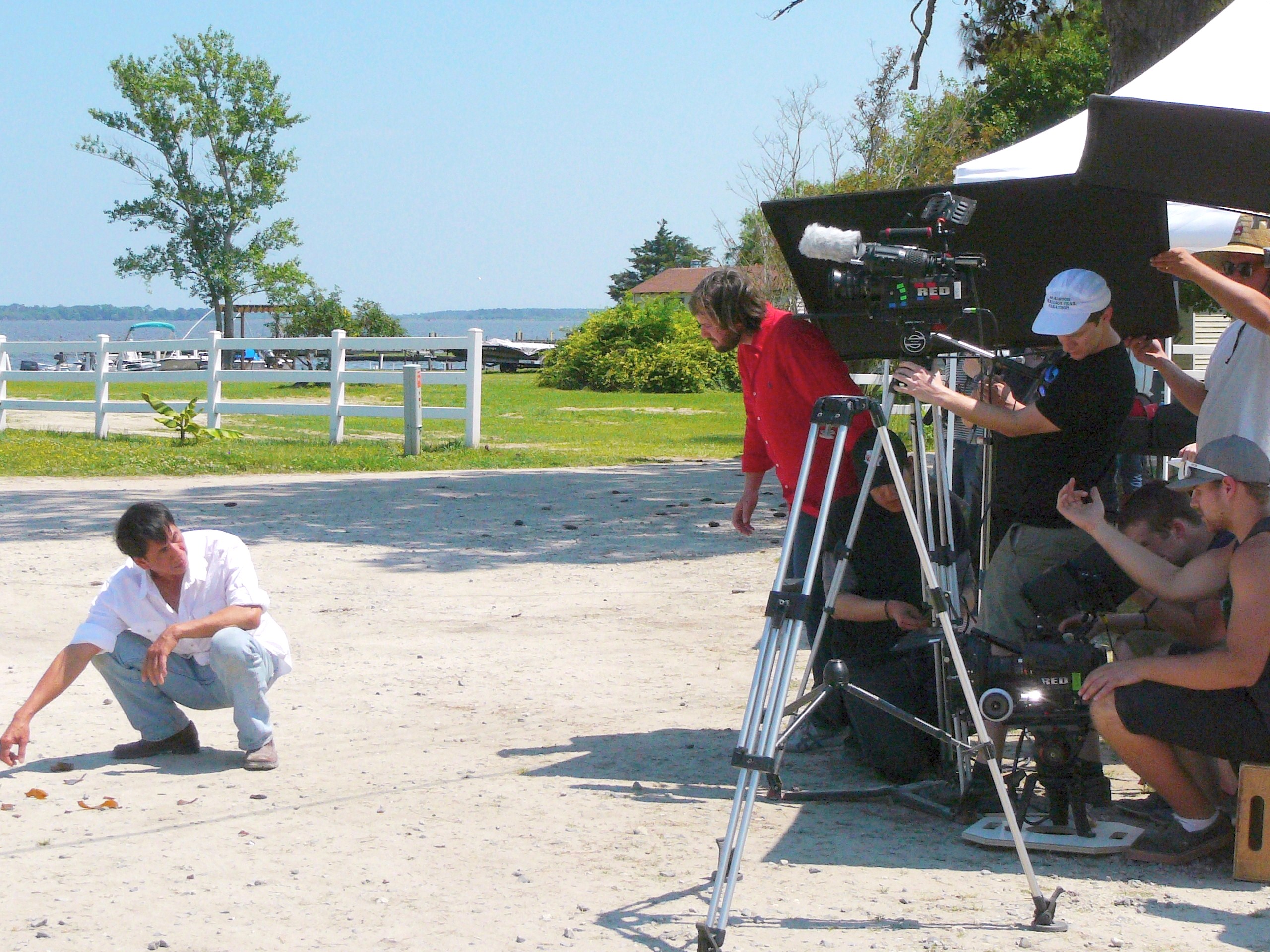
Director Jon Mark (Rusty) Nail directs Master Adam while Director of Photography Austin Burnette and 2nd Unit DP Eric Hales set up shots
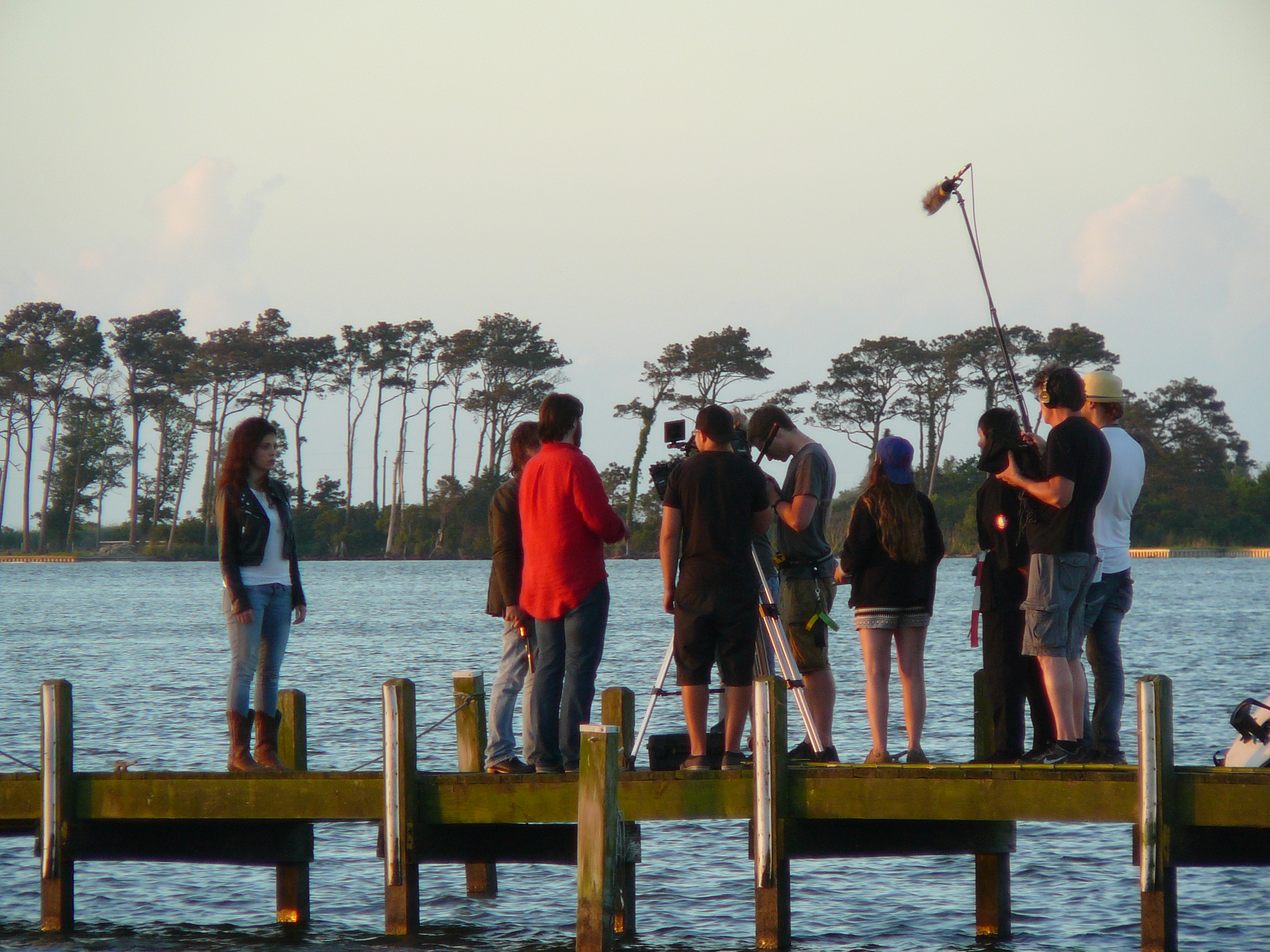
Preparing to shoot the final scene
In the two years since then, the Little Indie Film That Could has garnered awards, praise, a screening at the SOHO International Film Fest and, coming up, a screening at the Burbank International Film Festival. Hollywood!
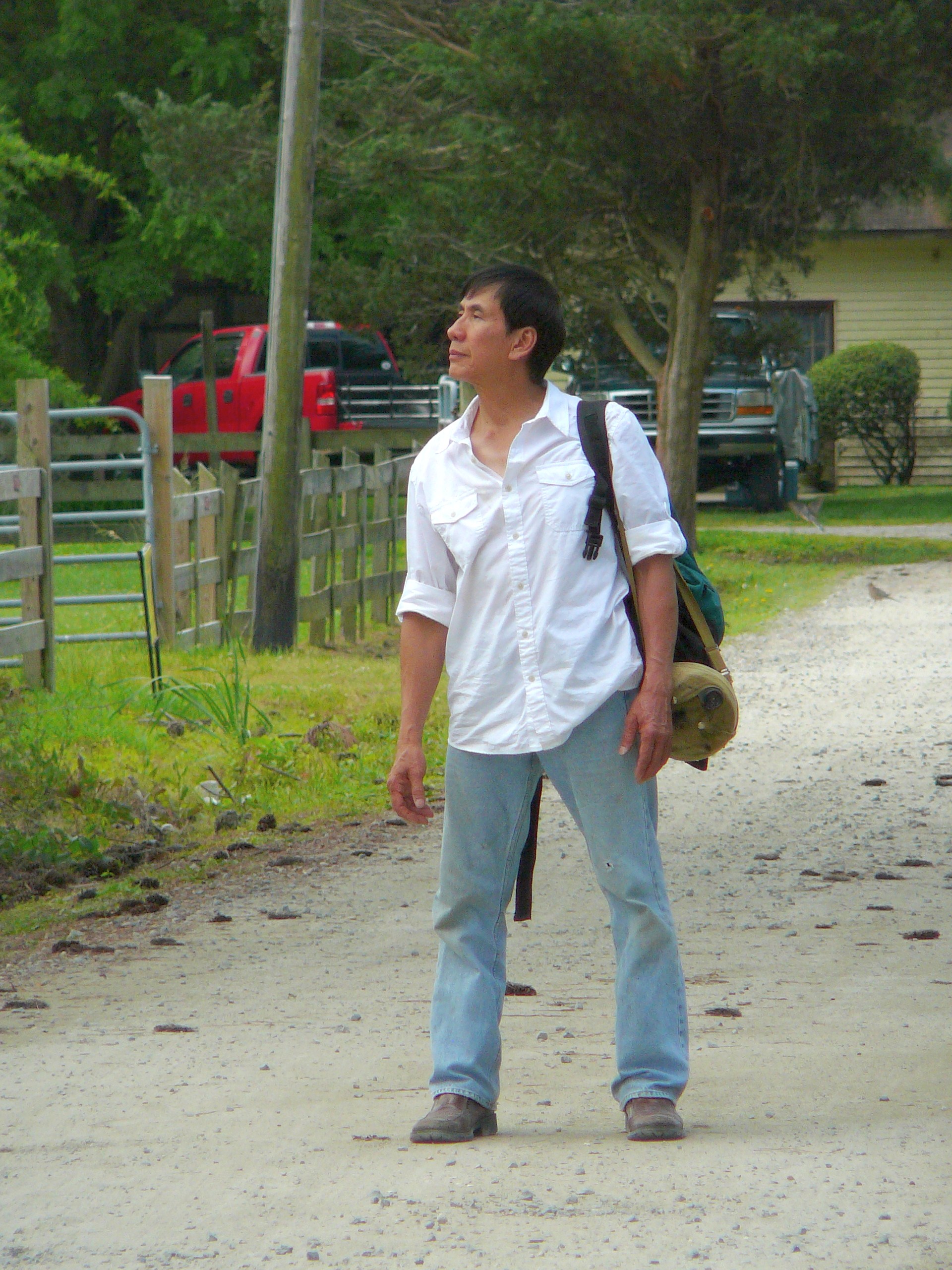
Master Adam packs his bags for Hollywood.
A GoFundMe campaign is currently underway to raise funds for our team to get to Hollywood by September 6th, 2017. Going to these events allows us to get the film recognized, hopefully seen by potential distributors, and even more hopefully, to be picked up by a distributor. You can help by donating here, liking and sharing the campaign, our Facebook page, and our Twitter feed. Any and all help is greatly appreciated.
Eyes of the Roshi, the Little Indie Film That Could, continues to pick up steam and speed as it chugs into the future. What lies over the horizon? Stay tuned.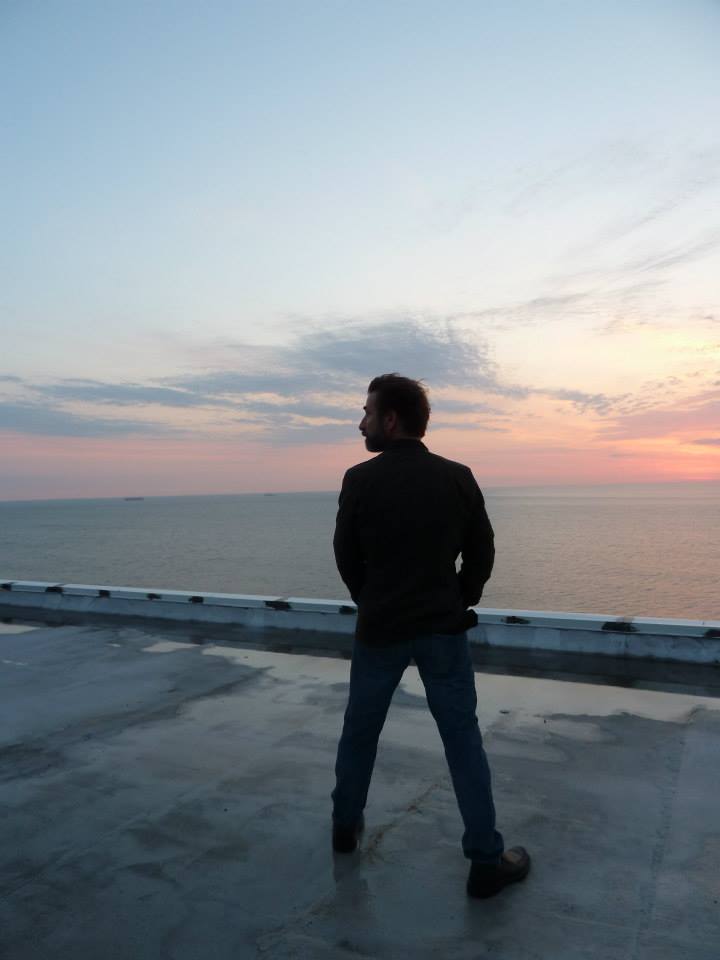
Dragon & Tiger Qigong!
Dragon & Tiger Chi Gung is a set of exercises that is based on the acupuncture meridian system and is a great place to start learning how to improve your health. It can be a balanced way to start the day, a midday pick-me-up, or the perfect way to unwind in the evening. Once learned, this set can be practiced in just twenty minutes.
Perfect for those in the Medical and Healing Professions, this course is an excellent introduction to medical qigong. The practice is also particularly useful for body workers, acupuncturists and all healthcare professionals as it provides tools to prevent burnout.
Dragon and Tiger Medical Qigong is one of the most powerful and effective qigong sets ever developed in China. This 1500-year-old self-healing qigong program is based on the principles of acupuncture and quickly gives you a tangible feeling of qi. Designed specifically to help the body rid itself of stagnant qi that is found anywhere there is a physical, emotional or psychic blockage of energy. It improves the flow of qi, blood and other fluids and increases the body’s energy to boosts its own natural healing capacities.
Facebook event here: https://www.facebook.com/events/1852250105018646/
Sign up for the 3-day workshop, held in Virginia Beach, VA on March 31st- April 2nd, 2017 here: https://events.r20.constantcontact.com/register/eventReg?oeidk=a07edqop5o7612c2e8d&oseq=&c=&ch=
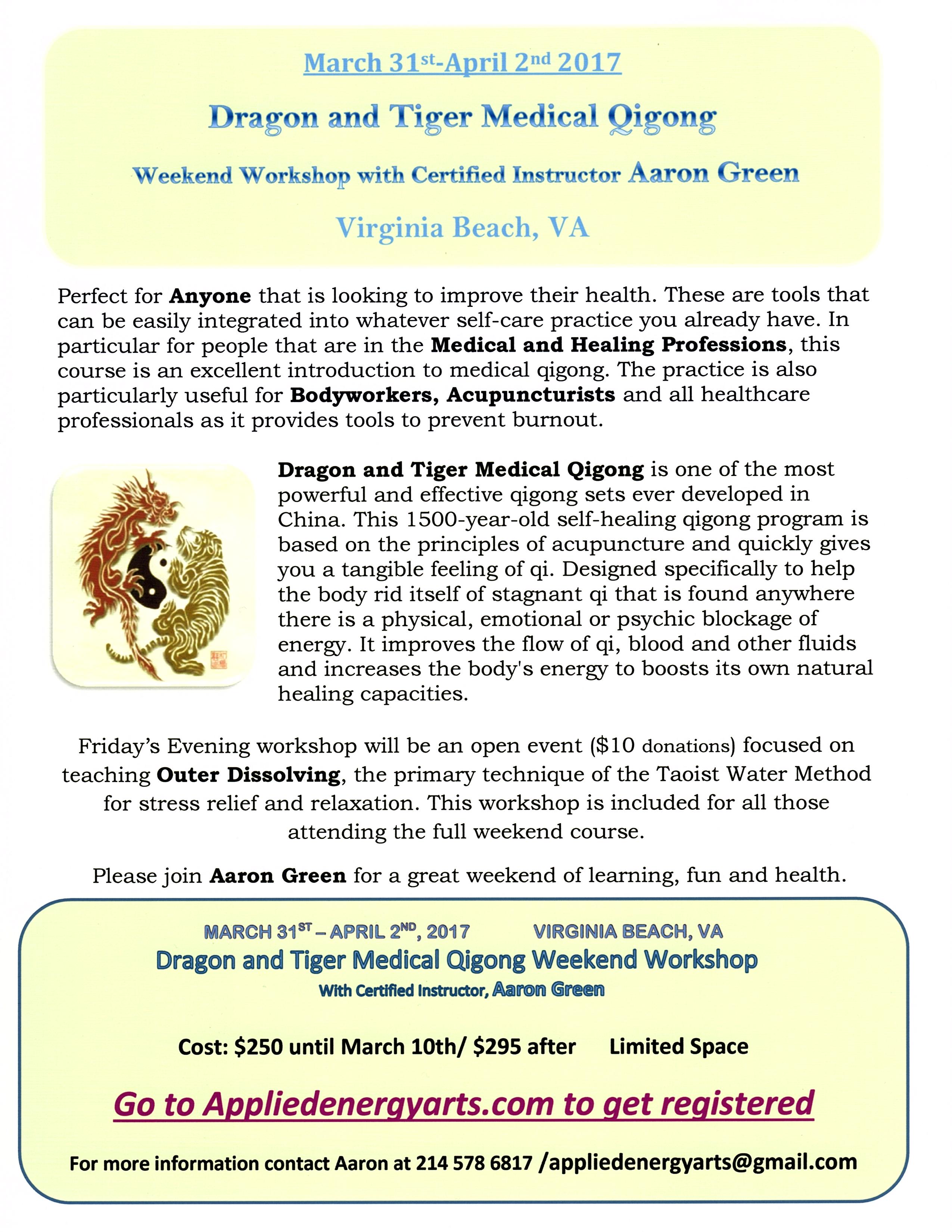
Grandmaster Adam Weekend Workshop
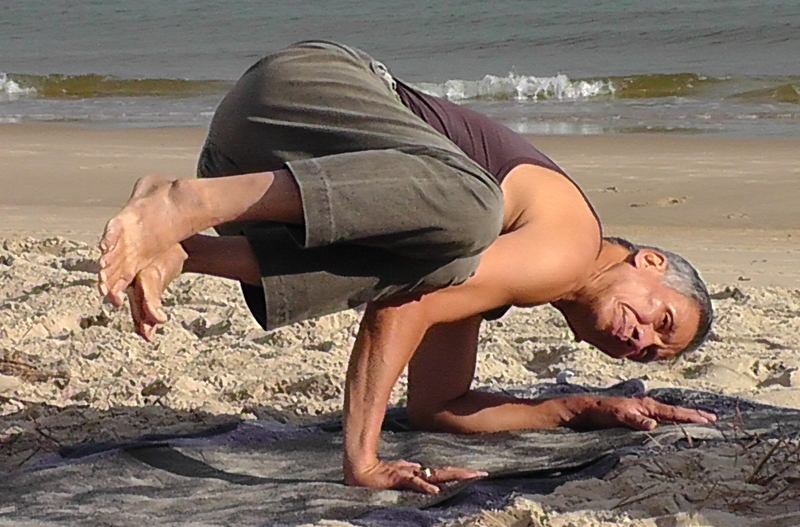
Side Crow Pose
Yogis & Yoginis, don’t miss this opportunity to train with Grandmaster Adam and receive your 12-hour certificate towards 200 hour and advanced teacher training! Raja (Royal or King) Yoga comes from the Vietnamese tradition of Yoga. It combines familiar yoga poses with strenuous exercise and is suitable for people at all levels of practice- from beginners to more advanced levels. Feel great, lose weight, and look great, all in one weekend package!
Welcome to International Yoga Institute’s Weekend Yoga Intensive Workshop with Grandmaster Ngoc Xuan Nguyen – better known as Grandmaster Adam.
This weekend workshop will be a thorough introduction to Raja Yoga. Grandmaster Adam concentrates on building the body’s strength, flexibility, and structural integrity. No matter your age you can begin to improve your balance and stability while building endurance and stamina. He will personally teach and supervise each days sessions.
Move well, and feel great with Master Adam! This workshop will also be worth 12 hours toward a 200-hour or more advanced teacher’s training certificate with the International Yoga Institute. Each participant will receive their 12-hour certificate upon completion of the weekend.
Grandmaster’s family has been teaching their Royal “Raja” Yoga for more than 800 years, and Grandmaster Adam Nguyen has been teaching Yoga since the early Sixties. His students are of all ages. Each receives the same instruction and care. Each attains a new level of renewed health, well-being, and confidence. Here are some of his students revealing their experiences.
For more information, call 757.334.YOGA
Friday, Feb. 24
Check-in begins at 3pm
5pm- 8pm
Check In: 3pm. Please eat lightly before check-in. Can eat at restaurant before but choose easily digested, light fare. Check workshop details for diet and nutrition.
5pm: Arrive early, meet Grandmaster Adam and your fellow students! We begin with Inviting the Bell, then move into cleansing warm-ups to awaken the body and sharpen the mind.
ㅡ
Saturday, Feb. 25
7 am- 10:30am
2pm- 5:30pm
Breakfast: Eat light at least one hour ahead.
7 am: On the mat! We’ll begin with a refresher from the evening before, begin energizing warm-ups, review the previous day’s asanas, move into sun salutations variations, intro to more poses, arm balances, and techniques of the asanas.
Break at 10:30 am: Eat right away, then cleanup and rest.
2pm: Back on the mat!
Time for introspection, a quick overview, and any questions. A short quiz. Prepare students for next day. Don’t over do yourselves because we’ll be doing this again tomorrow, so this is a muscle memory situation. Close with the Loving Kindness Meditation.
ㅡ
Sunday, Feb. 26
8am- 10am
Breakfast: Eat light at least one hour ahead
8am: Back on the mat!
Regroup, and a short quiz. Same format as the morning session, abbreviated, followed by Q&A. Now is the time to bring out your notes! Grandmaster Adam will make sure that everybody has achieved their objectives and will take home what they need with deeper understanding, having learned proper form and proper breathing, so that good health, vigorous exercise and spiritual understanding are theirs for life.
Facebook event here:
https://www.facebook.com/events/758699340951837/
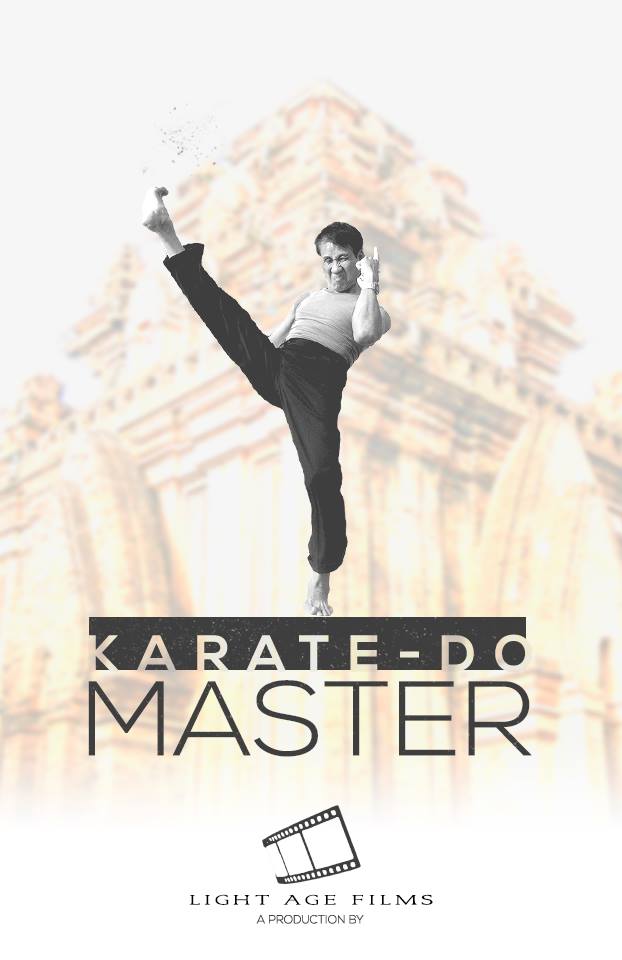
Master Adam Karate Do Master
Giveaways at Goodreads
Goodreads Book Giveaway

Parisian by Heart
by Mari Mann
Giveaway ends January 08, 2017.
See the giveaway details
at Goodreads.
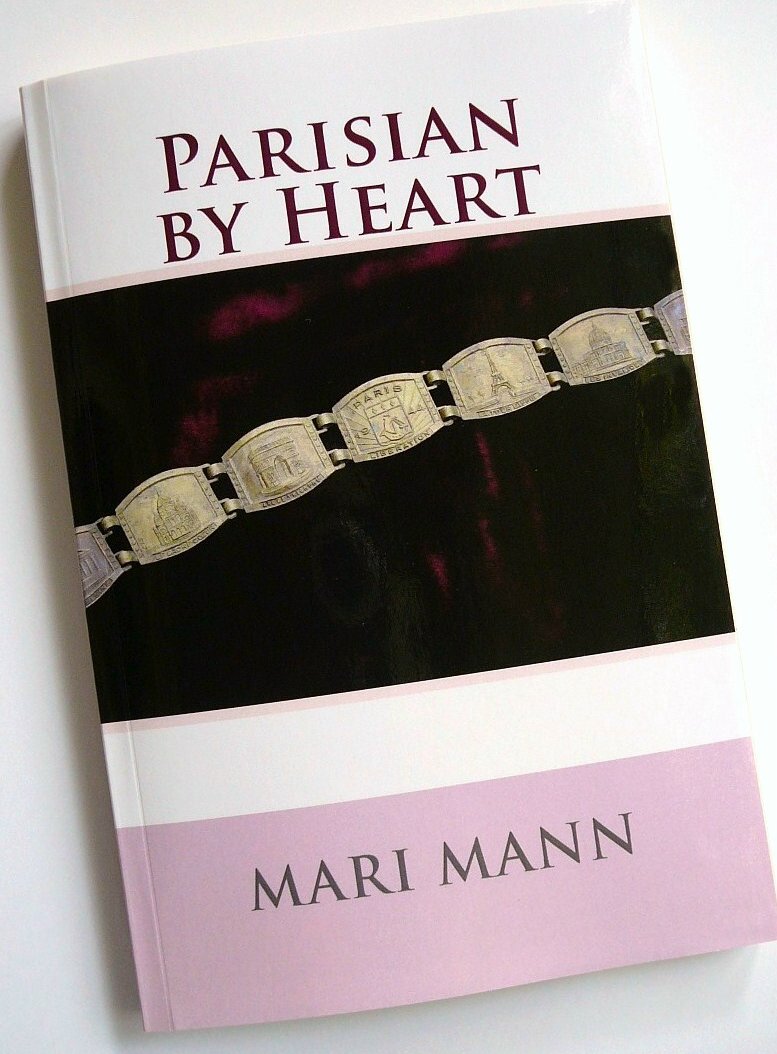
Parisian by Heart
Goodreads Book Giveaway
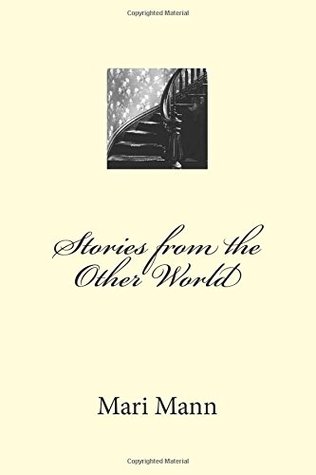
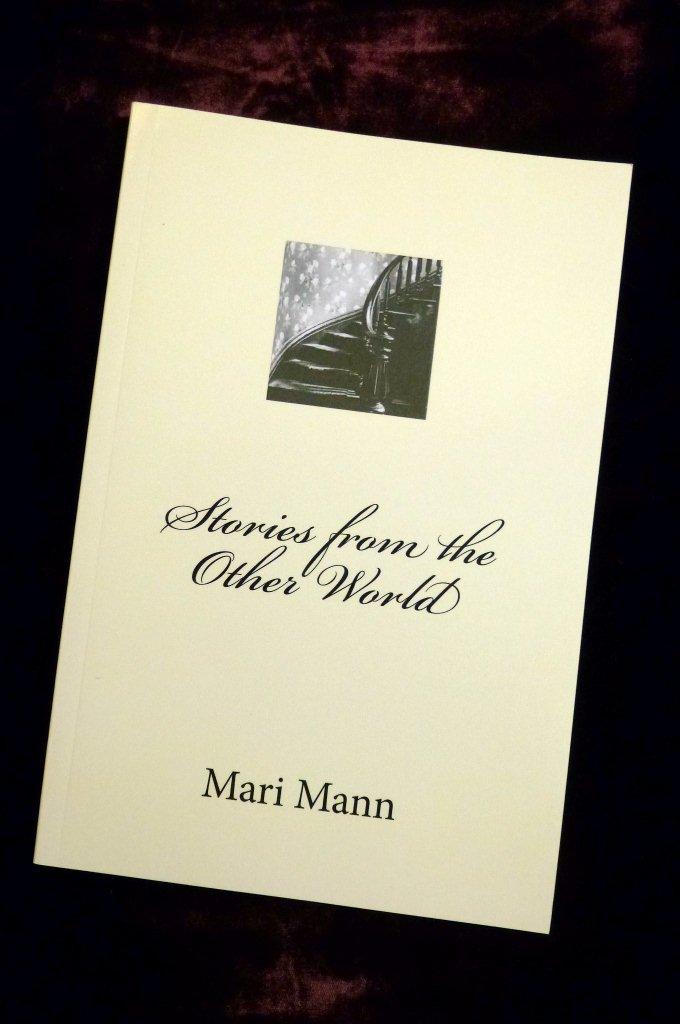
Stories from the Other World
by Mari Mann
Giveaway ends January 08, 2017.
See the giveaway details
at Goodreads.
Stories from the Other World
Full Moon Yoga on the Beach
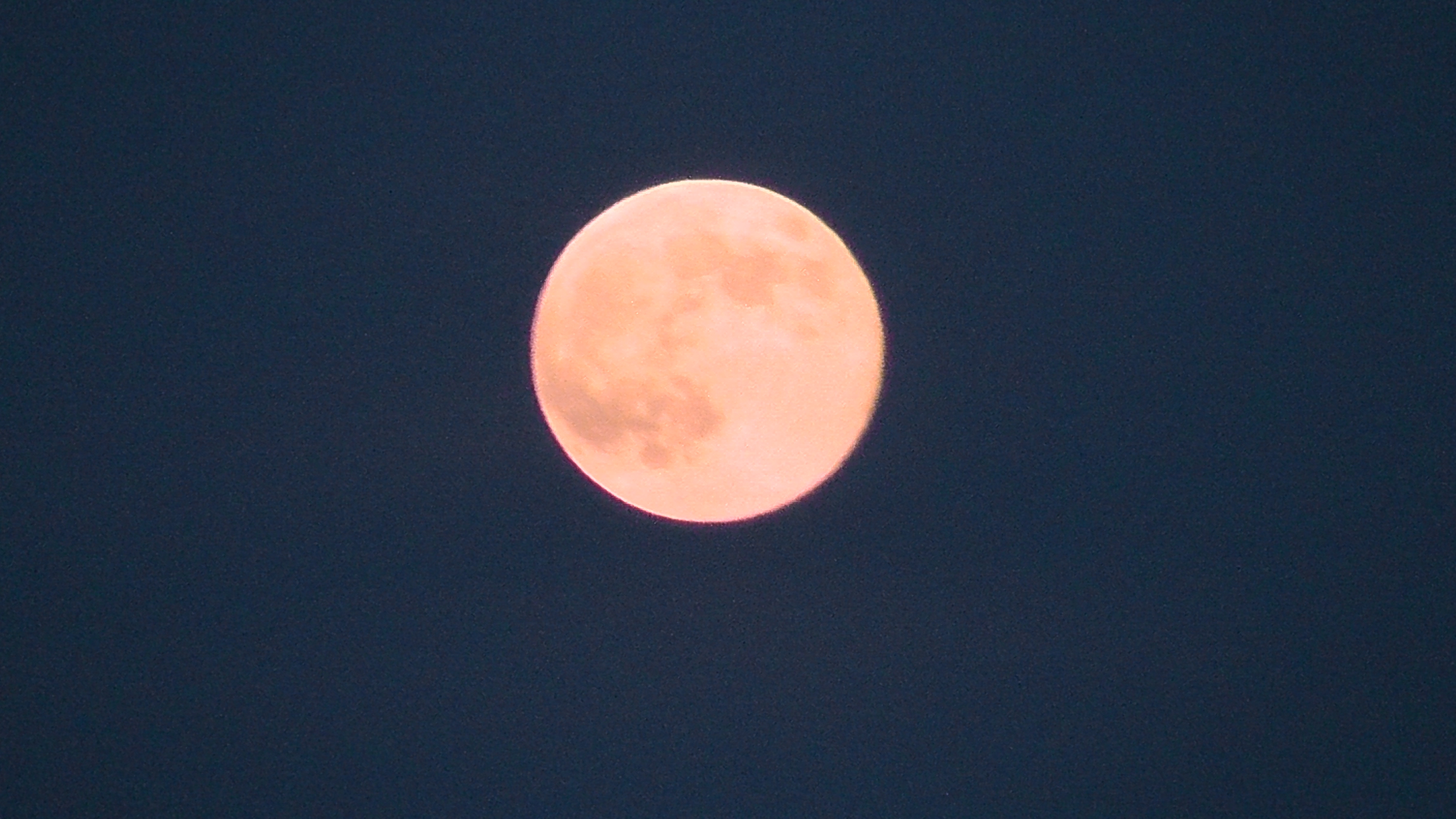
Join me this Friday, September 16th, 2016 for a Full Harvest Moon yoga on the beach at 6pm, 68th Street, Virginia Beach, VA. Join the event on Facebook here.
After the yoga, stay for the Full Moon Drum Circle, led by Arthur Lopez, at 7pm, same location as the yoga. Join this event here on Facebook.
Full Moon blessings, y’all.
What to expect at your first yoga class…
A New Year is coming up, and you’ve decided this is the year you will a) lose weight, b) get fit, c) find peace, or d) all of the above. So you are ready to sign up for your first yoga class- Yay! Except…what are you getting yourself into? What if everyone there is a) skinny, b) flexible beyond belief, c) they meditate!, d) all of the above? It’s all a bit much, right?
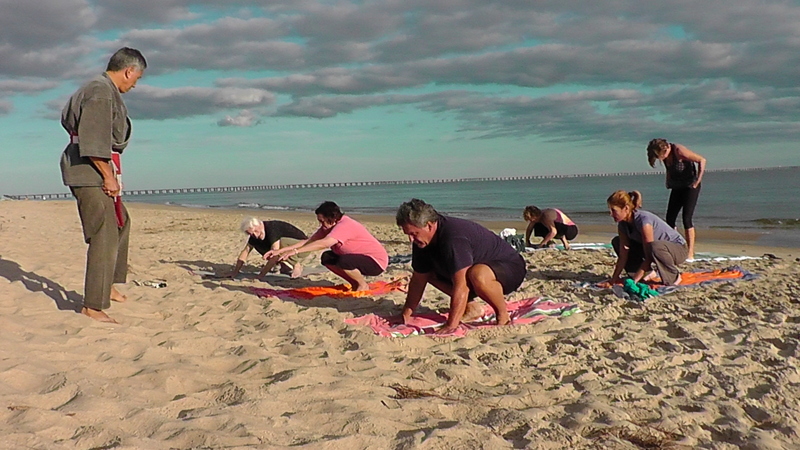
Yoga class on the beach- look at these bodies!
Here’s what you can expect: there will be all kinds of bodies there (see the picture above), at all levels of flexibility, fitness, and reasons for being there. Some will be first-timers like you, some will have some yoga experience. Some will have fashionable yoga clothes, the newest yoga mats, the latest accessories. Some will be wearing shorts and t-shirts, will have ratty mats, and no designer water bottles. No one will stare at you or judge you on your yoga chops, or your lack of yoga chops, and if they do, just smile at them and say “Namaste” (nah-mah-stay), the all-purpose yoga greeting which basically means, “We’re all the same, you and me.”
Many classes, like mine, begin with a period of meditation, and some people have a little trouble with this, for various reasons. Some folks are just not used to sitting quietly, in stillness, for any length of time. Some have been told or heard that it is against Christian beliefs, but many others, Christians and other religious believers, that while prayer is talking to God, meditation is listening for the reply. It can also be defined as a period of focus, of “thinking with love” (Apostle Paul) on peace, or God, or Jesus, or being kind, or giving thanks. To quote Psalms 46:10, “Be still, and know that I am God”.
After the beginning meditation, prepare to sweat! A warm-up period usually follows, which serves to not only prepare the body for the poses that follow, but also focuses the mind, and begins to lengthen and strengthen your breathing to give you a strong foundation and continuing energy boosting. After the warm-up, the class transitions into the traditional yoga poses, like downward dog, or Triangle pose, to strengthen the body, work your muscles, and trim off those extra pounds. Yes, you will get frustrated, as some poses are more challenging than others, but so will others in the class, and yes, you may be sore the next day, but keep with your commitment and be proud of the soreness! You are on your way to looking and feeling stronger, to determination of mind and peace of spirit.
At the end of many classes, there will be a period of rest, usually a time of lying peacefully and quietly on your mat, either in silence or to soothing music or the sound of bells ringing. Congratulate yourself on this first step you’ve taken on your new path to wellness, mindfulness and peace. Smile gently to yourself and look forward to continued progress on your journey.
And now, let’s look at choosing your first class. First, why choose a class to go to at all? Can’t you just go to YouTube, find a video to follow, and do it at home? Yes, you can, but here’s why this is not the best option: Commitment. In order to make a real change in your life, you need to commit your time, your money, your self to the practice. Will you do this at home, where every thing and everyone there wants your attention and it’s too easy to say, I’ll practice later, just as soon as I do this, feed that, go here, be there? Probably not, and certainly not at the level of commitment that you need to make a real change.
So, use all this technology we have at our disposal to find yoga studios near you. Look at their class offerings, and find one that is a beginner level class. Look at their pricing system, and see if they offer a free starter class, so that you can go once to see if you like the class, the instructor, the feel of the place, and if it’s going to be for you or not. If you dislike or feel uncomfortable with any of these things, find the next place, ask for a free taste of the class, and see how you like that one.
IslandLotus Yoga, where I teach Raja Yoga, is on Knotts Island, NC, just minutes from the southern end of Virginia Beach, VA. If Knotts Island is too far for you, Virginia Beach, Norfolk, Chesapeake are loaded with yoga studios, spas that offer yoga, yoga teachers that offer private lessons. Very easy to find a place to begin.
Now, after checking out places and teachers and finding a place where you are comfortable, make that commitment to yourself by signing up for one of the multiple class plans. Then, put your body where your money is, and attend those classes!
Beekeeping 101

Last year’s garden (2014) was a huge success- if you judge it by the 30-foot pumpkin vine that grew there. If you judge it by its fruits and veggies, it was a sad failure. The 30-foot pumpkin vine produced flowers that should have led to pumpkins but the flowers on that vine, and on a lot of other plants in the garden, did not get pollinated. Here’s a clue why: last year, in our big yard and garden, I saw only two honey bees. My husband routinely leaves large areas of our yard, where clover grows wild, unmowed for the bees. Trying not to step on them used to be a problem. But in the past few years, they’ve gotten more and more rare, and last year, as I said, I only saw two.
I like bees and have always wanted to keep them. When I was a child, I used to catch them in jars because I thought if I caught enough of them, they’d build honeycombs and start making honey for me. That didn’t work, of course. More recently, when a nearby neighbor set up hives, we were thrilled- but the bees failed to thrive, probably because of the prevalence of other neighbors rigorously spraying chemicals on their gardens and fruit trees. Other factors played a role as well, but the end result is the same- no pollinators, no fruits, no veggies.
Do you have a desire to keep bees? Or just learn how bees and other pollinators affect our food supply, and what you can do to help? Here’s an opportunity: Buzzy from The Beekeeper’s Guild of Southeast Virginia will be on the island on April 18th, 2015 to answer all your beekeeping questions! Open to all, this event will be held rain or shine and is free (donations for Buzzy’s travel expenses and time are welcome but not required). Refreshments served after the class (your contributions of snacks or drinks also welcome!)
- Date: Saturday, April 18th, 2015
- Time: 10:30am
- Place: 204 Parker Lane, Knotts Island, NC
Call/text me at 252.722.1690 or moonrabbit220 (at) gmail.com if you have questions or need directions. You can join this event on Facebook here. This event is hosted by me, Mari Mann, at my IslandLotus Yoga location. All are welcome to join!
Spring Equinox Yoga

IslandLotus Yoga
Spring is almost upon us! IslandLotus Yoga would like to invite you to a free yoga class, this Saturday, March 21st, at 9am, to experience and participate in a half-mala. A half-mala is 54 consecutive Salutes to the Sun to celebrate the return of the Sun, new beginnings, warmth and growth. Mindful meditation combined with vigorous exercise and traditional yoga poses. This is a free event and open to all regardless of experience.. I am hoping that Spring will cooperate with this event and give us a lovely warm day on beautiful Knotts Island Bay, so that we can practice outside, but the class will be held regardless of what Spring plans for this Saturday. IslandLotus Yoga is at 204 Parker Lane, Knotts Island, NC. If you’d like more information about this event, please call/text me (mari) at 252.722.1690 or follow the Facebook link below.
 She Brings Me Water